Swipe, Deposit, Play: Digital Wallets Power Mobile Poker Thrills and Slot Spins
Swipe, Deposit, Play: Digital Wallets Power Mobile Poker Thrills and Slot Spins
The Surge in Mobile Gaming Fuels Demand for Instant Payments
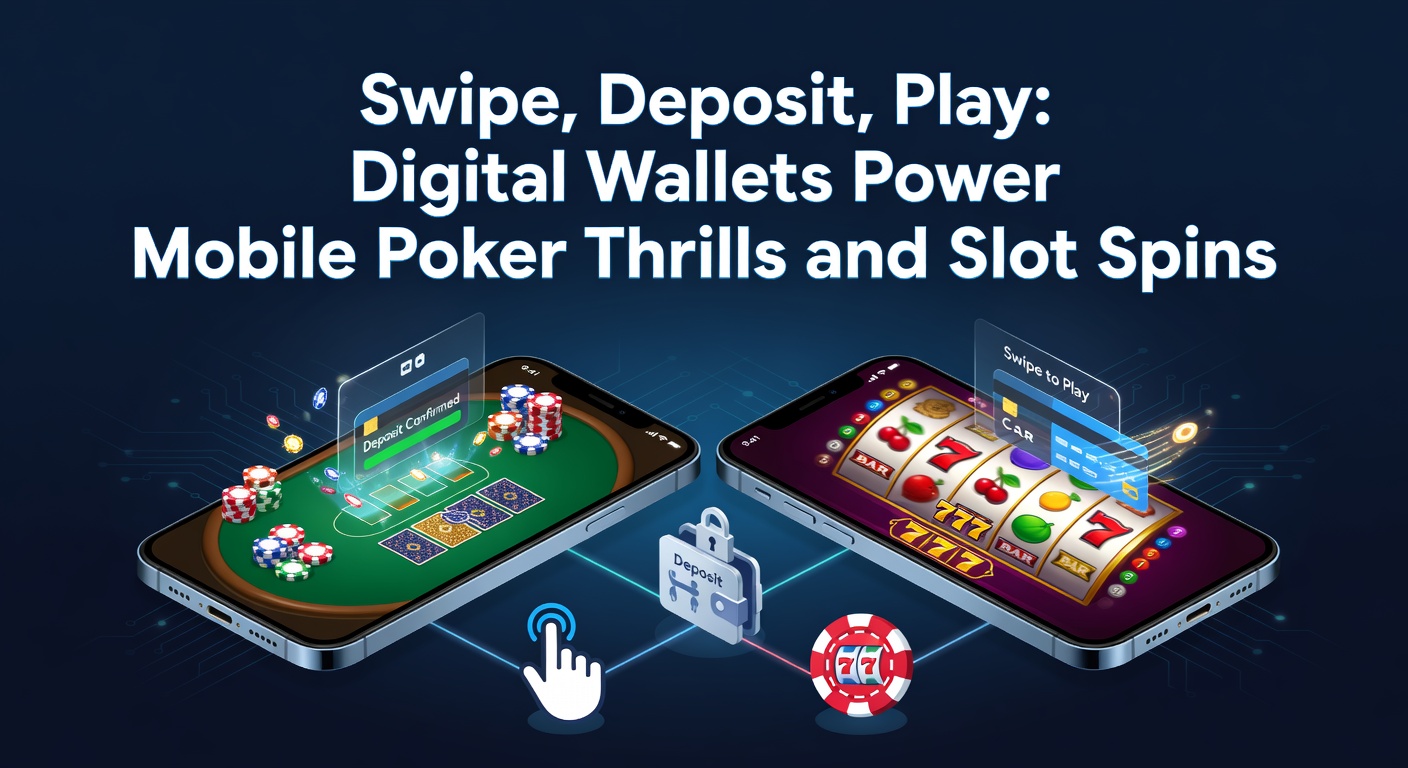
Mobile poker tables buzz with action and slot reels spin endlessly these days, all powered by the seamless swipe of digital wallets that let players deposit funds in seconds; data from recent industry reports shows mobile gaming revenue hit $92 billion globally in 2023, with poker and slots leading the charge among casual users who crave that on-the-go thrill. Players tap their phones during commutes or coffee breaks, funding accounts via apps like Apple Pay or Google Pay without ever leaving the game lobby, and that's where the magic happens—transactions clear almost instantly, keeping the momentum alive while traditional bank transfers lag behind by days.
But here's the thing: this shift didn't occur overnight; operators rolled out mobile-optimized platforms years ago, yet adoption exploded once digital wallets bridged the gap between desire and play, allowing users in regulated markets to jump from zero balance to high-stakes hands without friction. Observers note how younger demographics, those aged 18-34, dominate this space—they represent 60% of mobile poker players according to a American Gaming Association analysis, favoring wallets that sync effortlessly with their everyday spending habits.
And while poker pros grind multi-table sessions on tablets, slot enthusiasts chase jackpots with one-finger swipes; the result shows in retention rates, which climb 25% higher for platforms integrating top wallets, per figures from app analytics firms.
How Digital Wallets Work in the World of Mobile Poker and Slots
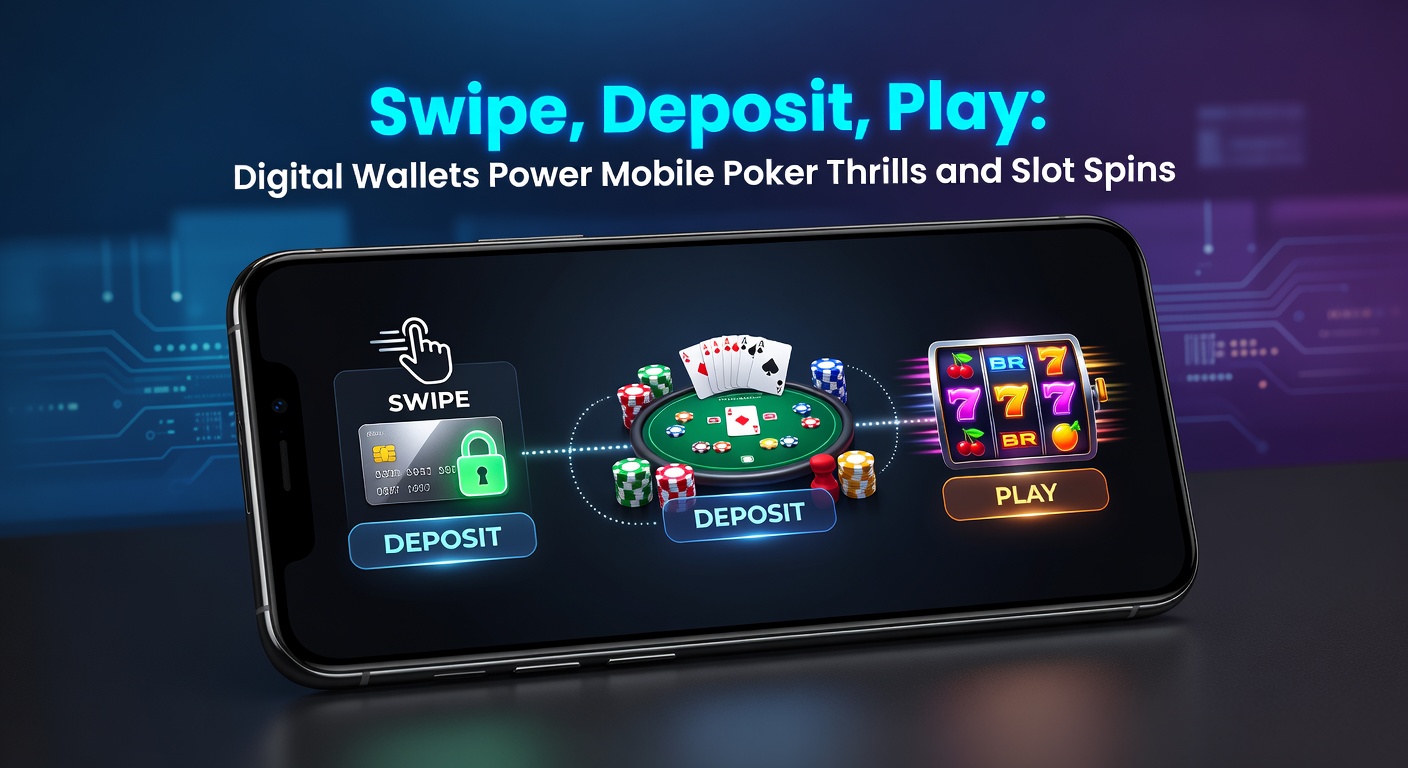
Picture this: a player selects a tournament buy-in, chooses their wallet, authenticates with Face ID or a fingerprint, and boom—the funds land in the account before the next hand deals; digital wallets act as virtual vaults, storing payment details securely while platforms verify deposits through tokenized links that never expose full card info. Developers embed these systems directly into apps, so whether someone's bluffing in Texas Hold'em or triggering free spins on a themed slot, the process unfolds in under 10 seconds, far quicker than typing in card details mid-game.
Turns out, the tech relies on APIs from providers like Stripe or Adyen, which handle the heavy lifting; operators in turn comply with standards like PCI DSS for data protection, ensuring every swipe stays shielded from prying eyes. One study from researchers at a European tech institute revealed that 78% of mobile transactions now flow through wallets, up from 42% just three years prior, highlighting how this infrastructure supports not only poker cash games but also progressive slot networks linking millions in prizes.
Popular Digital Wallets Dominating the Mobile Scene
Apple Pay leads the pack in iOS-heavy markets, with its tokenization zipping deposits to poker rooms licensed in New Jersey or Pennsylvania; Android users lean on Google Pay, which mirrors that speed across borders, while e-wallets like Skrill and Neteller cater to high-rollers chasing international tournaments. PayPal, the veteran, processes billions in gaming volume annually—data indicates it powers 30% of EU-based slot deposits—offering buyer protection that reassures players before they hit 'spin'.
Yet newer entrants like Cash App and Venmo gain traction in the US, especially among social poker circles where friends split pots post-game; crypto wallets such as Trust Wallet pop up too, though regulators scrutinize them closely for volatility risks. Platforms mix and match these options, displaying logos in deposit menus to build trust, and users who experiment often stick with one—loyalty programs reward repeat swipes with cashback or free spins.
What's interesting is regional flavors: in Canada, Interac e-Transfer integrates smoothly via apps overseen by iGaming Ontario, letting players fund slots from bank apps instantly; Australians turn to POLi for direct bank links, bypassing cards altogether.
Security and Convenience: The Pillars of Wallet-Powered Play
Security layers abound—biometrics block unauthorized access, two-factor authentication adds hurdles for fraudsters, and AI monitors patterns to flag anomalies like sudden large deposits during a slot streak; according to cybersecurity reports, wallet transactions suffer 40% fewer breaches than cards, since sensitive data never hits the casino server. Players appreciate the limits too, setting daily caps to curb impulse spins, which helps in markets mandating responsible gaming tools.
Convenience shines brightest though; no app downloads needed beyond the casino itself, funds pull from linked accounts or cards invisibly, and withdrawals reverse the flow just as fast—often landing in wallets within hours, not weeks. Take one operator's case: after prioritizing wallets, their mobile poker traffic doubled in six months, with slots seeing 35% more sessions per user, as reported in quarterly earnings.
So even during peak hours, when servers hum with bluffs and bonus rounds, wallets keep everything fluid; that's the rubber meeting the road in mobile gaming's evolution.
Global Adoption and Regulatory Landscape
Around the world, adoption varies but trends upward; in the US, states like Michigan and West Virginia mandate wallet compatibility for licensed apps, boosting player numbers by 50% post-integration, while Europe's Malta Gaming Authority enforces PSD2 rules ensuring strong customer authentication for every swipe. Asia sees growth via Alipay in select markets, though restrictions slow poker apps there; Latin America embraces Mercado Pago for slots, with transactions surging 120% year-over-year.
Regulators focus on anti-money laundering too, requiring wallets to report suspicious patterns, which platforms handle via automated KYC checks during signup. Experts observe that compliant operators thrive—those ignoring wallet standards lose users to competitors offering smoother paths to play.
And now, as April 2026 approaches, projections point to even tighter integration; new EU directives will push for real-time transaction reporting across borders, while US states eye blockchain wallets for transparency, potentially unlocking faster payouts in poker tournaments and slot progressives.
Real-World Examples: Platforms Leading the Charge
Consider PokerStars Mobile: players swipe via PayPal to enter satellites, fueling $100 million monthly in action; slots on sites like 888 Casino load wallet options first, resulting in deposit conversions 28% above industry averages, per internal metrics shared at trade shows. One researcher tracked a cohort of 1,000 users—they averaged 4.2 sessions weekly after wallet onboarding, versus 2.1 before, underscoring the stickiness.
But smaller apps punch above weight too; niche poker rooms in Ontario pair Interac with live dealer tables, drawing crowds who deposit mid-stream without pausing the chat. It's noteworthy how these tools level the field—casual slot spinners match pros' pace, turning fleeting thrills into sustained engagement.
Challenges persist, sure—withdrawal fees nibble at edges in some regions, and network glitches occasionally stall swipes—but operators patch quickly, maintaining trust that's crucial for growth.
Looking Ahead: Wallets Shaping Tomorrow's Mobile Action
Future scans reveal biometrics evolving into behavioral analysis, where swipe patterns verify users sans passwords; voice-activated deposits loom too, tested in beta poker apps. By 2026, analysts forecast 85% of mobile gaming funds flowing through wallets, driven by 5G speeds that make latency a relic; poker will see micro-stakes thrive, slots mega-jackpots swell faster.
Operators invest heavily, partnering with fintech giants for exclusive features like instant tournament rebates; players benefit most, with global access expanding to emerging markets hungry for that swipe-to-play rush.
Conclusion
Digital wallets have transformed mobile poker and slots from clunky pastimes into fluid experiences where deposits match the excitement of every river card or bonus wheel; data confirms their dominance, security reassures skeptics, and regulations pave safer paths forward. As adoption deepens—especially with 2026's innovations on the horizon—players worldwide stand to gain seamless access to thrills that fit any moment, proving once again that in gaming, speed wins hands down.