Regulatory Frameworks Influencing Data Transfers Across Borders in Worldwide Online Betting Platforms
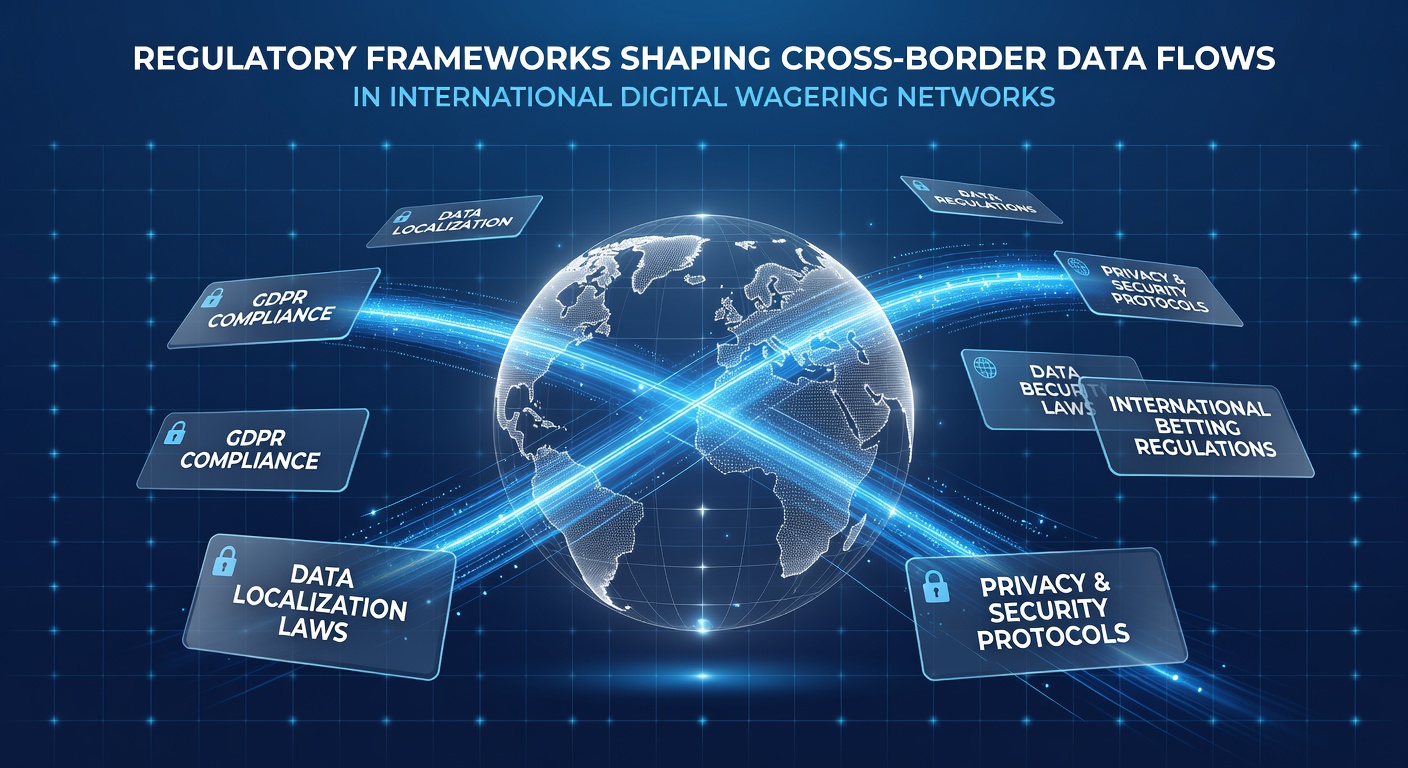
International digital wagering networks operate across multiple jurisdictions where data must move between servers, operators, and users located in different countries, and regulatory frameworks have developed to govern these transfers while addressing privacy, security, and financial oversight requirements. Observers note that such rules emerged from broader data protection laws that apply to many industries yet carry particular weight for gambling platforms because of the sensitive financial and behavioral information involved. Research indicates these frameworks shape how operators store player records, process transactions, and share analytics with partners in other regions.
Core Principles in Major Data Protection Regimes
European rules under the General Data Protection Regulation require explicit consent or legitimate interest justifications before personal data leaves the European Economic Area, and operators must implement safeguards such as standard contractual clauses or binding corporate rules when routing information to servers in Asia or the Americas. Australian privacy principles similarly restrict cross-border disclosures unless the recipient jurisdiction offers comparable protections, forcing wagering companies to audit their cloud providers and payment processors regularly. Data from regulatory filings shows that platforms handling progressive jackpots and live dealer sessions often segment databases geographically to comply with these location-specific mandates.
Regional Variations and Enforcement Patterns
North American approaches differ by state and province, with some Canadian provinces allowing data transfers under federal privacy statutes while requiring local storage for certain transaction logs, whereas several U.S. states impose additional gambling-specific reporting that affects how operators share real-time betting data across state lines. In Asia, jurisdictions such as Singapore maintain strict licensing conditions that tie operational approvals to demonstrated compliance with data localization for customer verification records. Figures reveal that enforcement actions have increased since 2023, particularly against operators that failed to document transfer mechanisms when moving user profiles between European and offshore processing centers.
Impact on Network Architecture and Compliance Operations
Operators respond by deploying distributed ledger systems and encrypted gateways that allow verification of player eligibility without exposing full datasets to every jurisdiction involved. Studies from industry research groups indicate that these technical adjustments raise operational costs yet reduce the risk of regulatory penalties during audits. One case involved a multi-license operator that restructured its data pipelines after European authorities flagged inadequate transfer documentation, resulting in new segmentation protocols that now serve as a reference point for similar networks. What's interesting is how these changes also intersect with anti-money laundering directives that require transaction monitoring across borders, creating overlapping compliance layers that demand coordinated legal and technical teams.
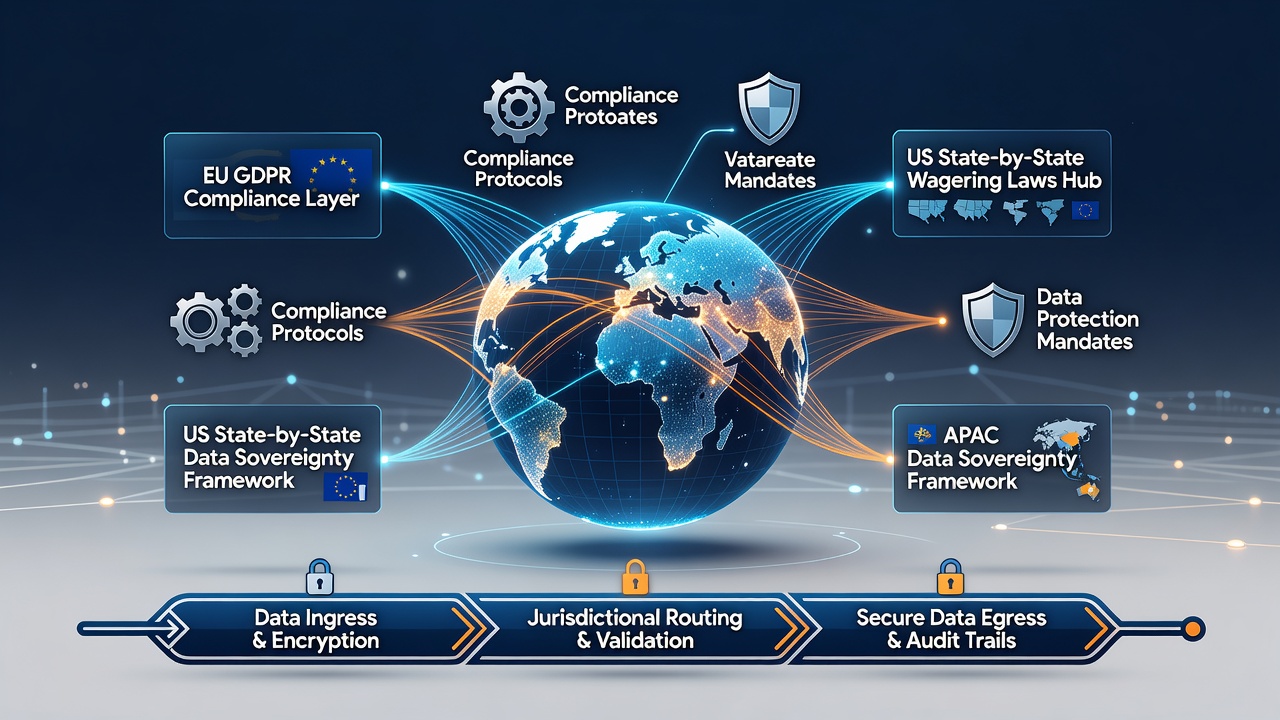
Payment processors and affiliate networks face parallel obligations because they handle portions of the data flow, and many now require their wagering clients to maintain separate data processing agreements that specify retention periods and deletion procedures. According to reports from the European Commission data protection resources, updated guidance issued in early 2025 clarified acceptable transfer tools for high-risk sectors including online gambling, prompting several platforms to renegotiate contracts with third-party analytics providers.
Developments Expected Around Mid-2026
Discussions scheduled for June 2026 among international gaming associations and data protection authorities aim to address emerging questions about artificial intelligence-driven risk scoring and how such tools interact with existing cross-border transfer rules. Participants from multiple continents plan to examine whether current safeguards sufficiently cover automated decision-making in bonus allocation and fraud detection systems. Those following these talks note that any resulting recommendations could influence licensing renewals for operators active in both European and North American markets.
Conclusion
Regulatory frameworks continue to define the boundaries within which international digital wagering networks can move and store data, requiring ongoing adjustments to technical infrastructure and contractual arrangements. Evidence from compliance reports and enforcement records demonstrates that platforms maintaining clear documentation and geographically aware architectures encounter fewer disruptions when operating across multiple regions. As additional guidance emerges from ongoing international consultations, operators track these changes to sustain uninterrupted service while meeting obligations in each jurisdiction where they hold licenses.