Macau Judiciary Police Engage Public Spaces in Drive to Deter Illegal Gambling on Football Matches

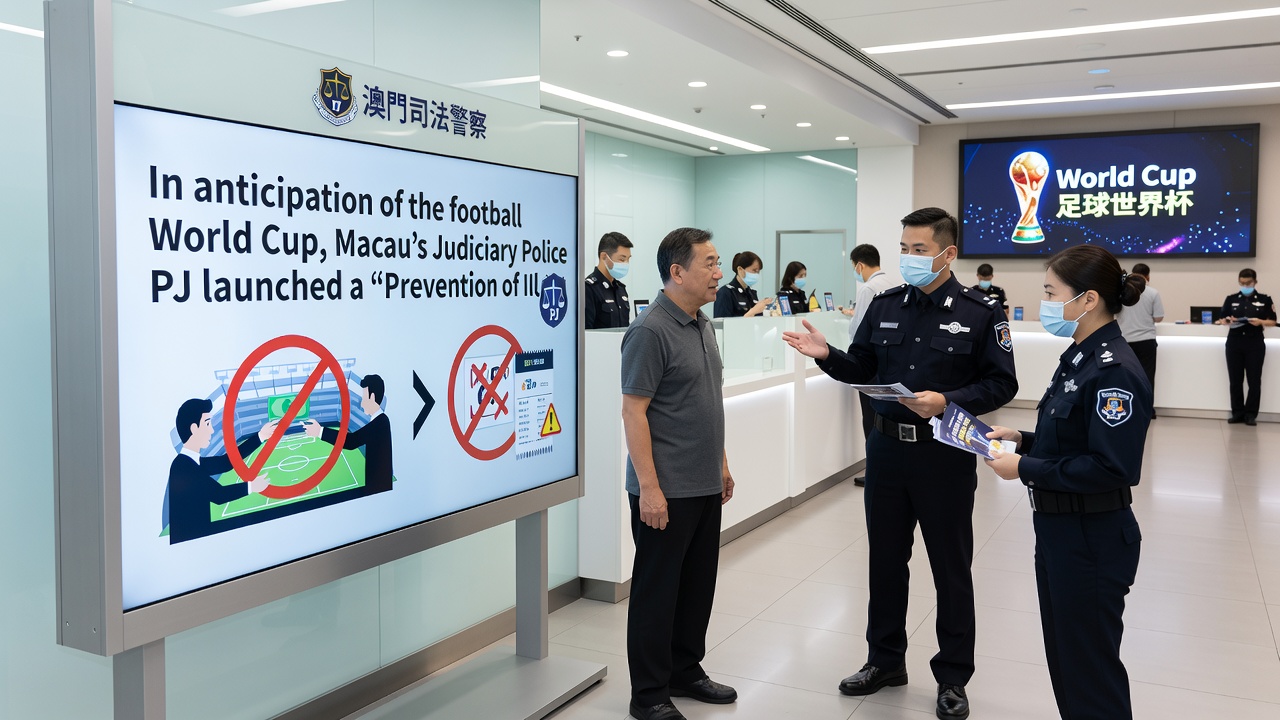
Macau's Judiciary Police launched the Prevention of Illegal Football Gambling awareness campaign in June 2026, well ahead of the upcoming football World Cup, with officers and volunteers moving through bars, recreational zones, sports grounds and residential districts to hand out leaflets that spell out legal consequences and common criminal approaches such as social media messages promising quick profits.
Outreach Tactics Across Multiple Districts
Teams visited locations in every major district and spoke directly with residents about how illegal betting operations often begin with seemingly harmless online contacts before escalating into larger financial problems, while the same visits also covered connections between unauthorized wagering and other offenses like loan sharking plus fraud schemes that prey on participants who fall behind on payments.
Officers explained specific tactics that operators use to draw in new users, including fake profiles on popular platforms and promises of high returns that rarely materialize, and they provided concrete examples of how these lures have led individuals into debt cycles that involve aggressive collection methods from unregulated lenders.
Seminars Strengthen Local Networks
The campaign extended beyond street-level distribution when the Judiciary Police organized seminars for representatives of local associations, supplying them with updated information on reporting procedures and prevention strategies so that community groups could maintain ongoing vigilance once the initial push concluded; these sessions focused on building lasting connections between residents and law enforcement channels.
Participants received materials that outlined steps for identifying suspicious betting promotions and guidance on how to share that knowledge within their own circles, creating a wider web of informed observers who can spot patterns early and reduce the reach of illegal operators during high-profile tournament periods.
Legal Framework and Reporting Channels
Under Macau law, participation in unlicensed football betting remains prohibited, and the campaign materials reminded recipients that both placing bets and facilitating such activities carry defined penalties, with officers clarifying the differences between regulated gaming venues and the underground networks that operate without oversight or consumer protections.
Authorities highlighted official reporting hotlines and online portals that allow citizens to flag suspicious activity without revealing their identities, and they noted that early intervention often prevents escalation into more serious crimes; the same resources also direct people toward counseling services for anyone already entangled in problematic betting behavior.
Timing With Global Tournament Schedule
The June 2026 rollout aligns with the period when interest in international football peaks and when illegal operators intensify recruitment efforts through targeted digital advertising, according to official PJ statements; by positioning the awareness drive several weeks before matches begin, police aim to establish preventive habits before demand for betting services surges.
Similar campaigns in past tournament cycles showed measurable drops in reported complaints during the events themselves when community outreach began early, though organizers stress that sustained education remains essential because operator tactics evolve quickly in response to enforcement actions.
Broader Crime Connections Addressed
Leaflets and seminar discussions explicitly linked illegal sports betting to follow-on offenses, noting that individuals who accumulate debts through unauthorized platforms frequently encounter loan sharking operations that use intimidation and violence to collect payments, while separate fraud schemes impersonate betting platforms to steal personal and financial data.
By presenting these connections in plain language during neighborhood visits, the Judiciary Police sought to illustrate how a single decision to engage with an unlicensed operator can open doors to multiple layers of criminal activity, encouraging residents to treat every unsolicited betting invitation as a potential entry point for larger risks.
Conclusion
The Prevention of Illegal Football Gambling campaign demonstrates how Macau authorities combine direct public contact with institutional partnerships to address unauthorized wagering before a major international event draws additional attention, and the multi-district approach plus seminar component together create both immediate visibility and longer-term community capacity to recognize and avoid illegal betting networks.