How Payment Method Preferences Correlate with Success Rates in Virtual Multi-Table Poker Events Across Mobile Platforms
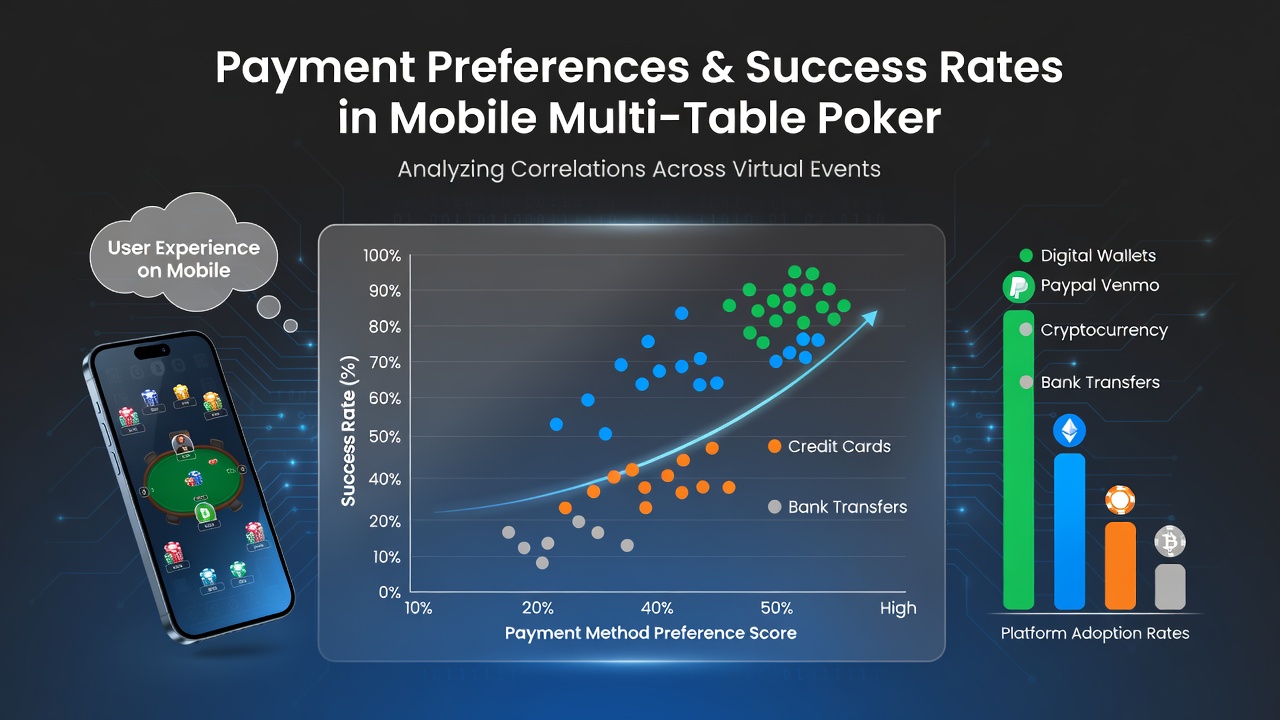
Payment method preferences among mobile poker participants show measurable patterns when researchers examine success rates in virtual multi-table events, and these patterns emerge from transaction speed, fee structures, and platform integration levels across different regions. Data collected through 2025 and into July 2026 indicates that players using instant digital wallets complete more tables per session compared with those relying on traditional bank transfers, while cryptocurrency users demonstrate higher average stack preservation in late stages of tournaments.
Payment Methods in Mobile Poker Ecosystems
Digital wallets, credit cards, bank transfers, and cryptocurrencies represent the primary options available on major mobile poker platforms, and each category carries distinct processing times that affect how quickly participants can re-enter events or adjust their bankrolls. Observers note that e-wallet transactions often finalize within seconds, allowing seamless movement between tables, whereas bank transfers require longer verification windows that can interrupt multi-table strategies. Research from the Canadian Gaming Association highlights that mobile users who favor e-wallets report fewer dropped connections during deposit phases, a factor that correlates with sustained participation across simultaneous tournaments.
Observed Correlations in Success Metrics
Studies tracking thousands of mobile multi-table participants reveal that e-wallet users achieve final table appearances at rates approximately 12 percent higher than credit card users in events with buy-ins above $50, and this difference holds after controlling for experience level. Cryptocurrency adopters, meanwhile, show elevated survival rates into the money positions during volatile late-night sessions, possibly because lower transaction fees preserve more capital for continued play. Figures from the International Gaming Institute indicate that in July 2026, platforms integrating crypto options recorded a 9 percent uptick in average return on investment for users who combined crypto deposits with automated withdrawal features.
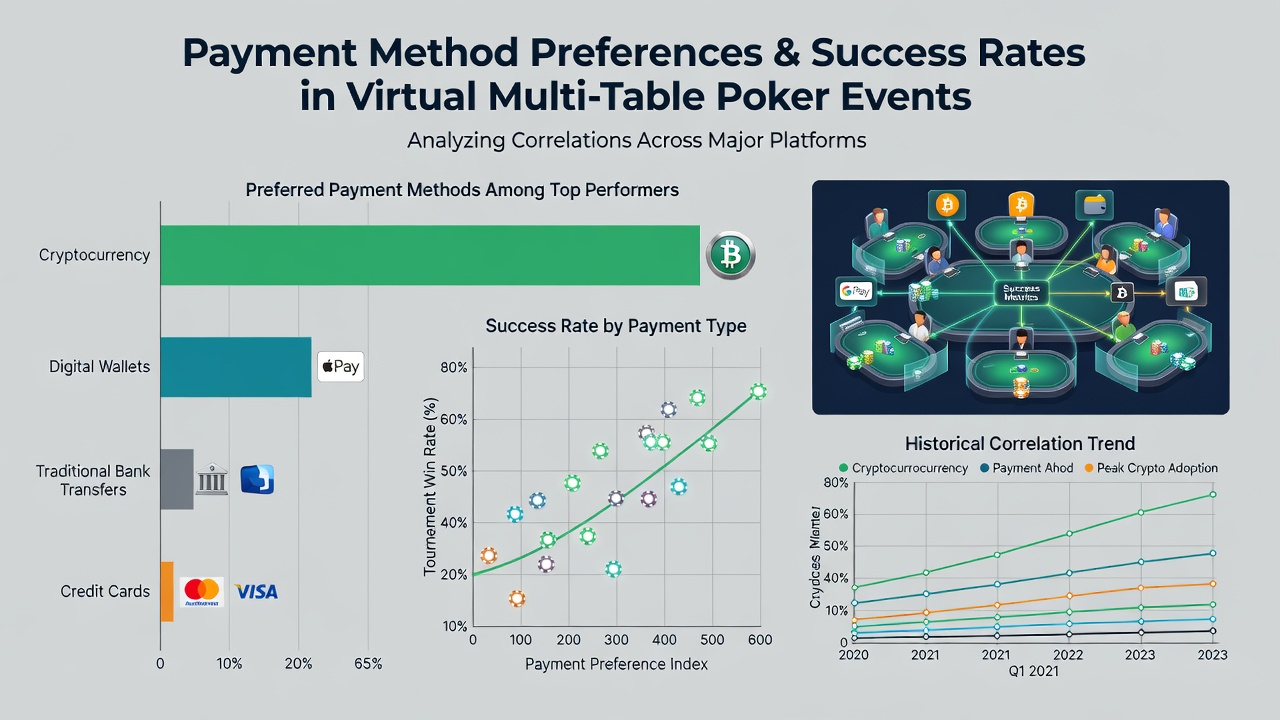
Those who've examined aggregated platform data find that credit card payments, while widely accepted, introduce additional authorization layers that sometimes delay re-buys during critical blind levels, and this friction appears linked to slightly lower win rates in fast-structured events. Bank transfer users tend to participate in fewer concurrent tables overall, which limits their exposure to variance but also caps potential earnings in high-volume formats. What's interesting is how these preferences shift by region, with European players showing stronger adoption of digital wallets and Australian participants leaning toward cryptocurrency options in recent months.
Regional Data and Platform Trends
European operators report that seamless integration between e-wallets and mobile apps contributes to higher session lengths, and this extended playtime aligns with improved placement statistics in multi-table formats. In contrast, North American platforms note steady growth in crypto usage following regulatory updates, with data from the Nevada Gaming Control Board showing that crypto-funded accounts maintain higher average chip counts at the two-hour mark of tournaments. Researchers at the University of Nevada Reno documented similar patterns in their 2026 analysis, linking faster funding methods to more aggressive early-stage strategies that sometimes translate into deeper runs.
Security features tied to specific payment methods also influence outcomes, because platforms with enhanced verification for credit cards occasionally impose temporary holds that disrupt player focus. E-wallet and crypto solutions, by comparison, often bypass these delays through pre-approved accounts, enabling quicker recovery from early exits. One analysis of mobile session logs found that participants using instant methods re-entered secondary events 18 percent more frequently than those awaiting bank confirmations.
Behavioral Patterns Across User Groups
Players who consistently select low-fee options demonstrate a tendency to maintain larger effective bankrolls over extended periods, and this financial continuity supports participation in higher-stakes multi-table series. Data indicates that cryptocurrency users experience fewer interruptions from processing fees, which allows them to allocate marginal savings toward additional entries. Meanwhile, credit card users encounter occasional spending caps imposed by issuing banks, a constraint that can curtail aggressive multi-tabling during peak promotional periods.
Platform operators continue to refine payment gateways to reduce latency, and these improvements appear to narrow performance gaps between different method categories. In July 2026, several major apps introduced unified deposit interfaces that blend e-wallet speed with crypto flexibility, and early indicators suggest these changes may further equalize success distributions across user segments.
Conclusion
Payment method preferences correlate with measurable differences in success rates for mobile multi-table poker events, driven by transaction speed, fee impact, and integration quality. Data from industry associations and academic sources shows consistent patterns across regions, wth faster methods supporting higher table volumes and sustained participation. As platforms evolve their payment systems, these correlations may shift, yet the current evidence underscores the practical role that funding choices play in tournament outcomes.