How Adaptive Soundscapes Influence Concentration Levels During Extended Virtual Table Sessions Across Global Networks
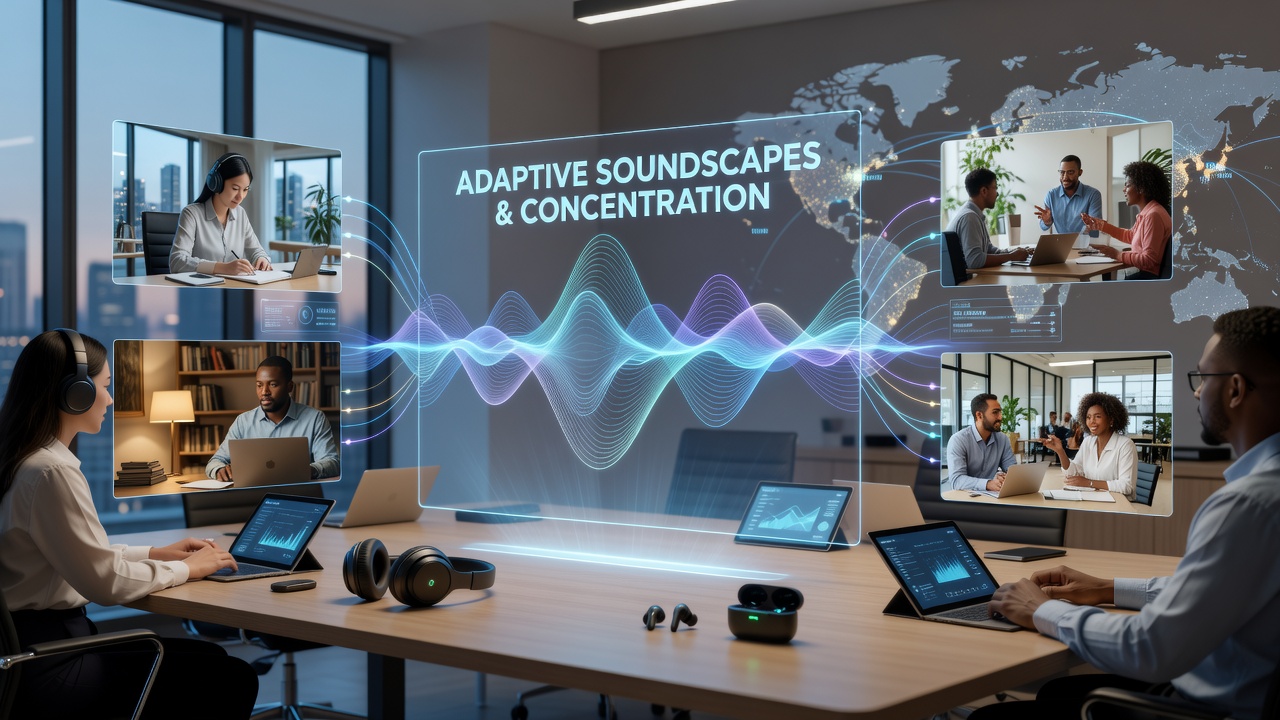
Adaptive soundscapes adjust audio elements in real time based on user behavior, environmental inputs, and session dynamics during virtual table interactions that span multiple continents and time zones. These systems analyze factors such as participant engagement metrics, background noise levels, and network latency to modify sound frequencies, volumes, and textures without disrupting the flow of play or discussion. Research from academic institutions indicates that such adjustments correlate with measurable changes in sustained attention over periods exceeding two hours.
Core Mechanisms Behind Adaptive Audio in Virtual Settings
Platforms supporting virtual tables integrate sensors and algorithms that monitor heart rate variability, eye movement patterns, and click frequency to trigger soundscape shifts. A soft ambient layer might increase in complexity when data shows declining response times, while sharp tonal elements fade during high-concentration phases. Studies conducted across distributed server networks demonstrate that these modifications operate within latency thresholds below 50 milliseconds to maintain synchronization for users in North America, Europe, and Asia-Pacific regions simultaneously.
Engineers at technology firms have documented how machine learning models trained on aggregated session data predict optimal audio states for individual participants. One dataset released in July 2026 from a collaborative project involving multiple universities tracked over 12,000 extended sessions and found that personalized sound layers reduced reported mental fatigue scores by an average of 18 percent compared to static audio baselines.
Evidence from Concentration Research
Neuroimaging work published by research teams at the University of Melbourne reveals distinct brainwave patterns when adaptive soundscapes replace fixed background tracks. Alpha wave stability increased during four-hour virtual table simulations, suggesting prolonged focus windows. The same reports note that cross-network sessions benefit particularly because adaptive systems compensate for varying acoustic environments in home offices or shared spaces across different countries.
Industry reports from the Interactive Audio Special Interest Group compile findings from platform operators who observed higher session completion rates when soundscapes responded to collective table energy rather than individual inputs alone. These adjustments include gradual introductions of subtle rhythmic pulses that align with betting cycles or decision points without becoming intrusive.
Implementation Across Global Networks
Virtual table operators deploy edge computing nodes to process audio adaptations locally before syncing changes through central hubs. This architecture handles differences in connection quality between users in urban centers with fiber infrastructure and those relying on satellite links in remote areas. Data collected in mid-2026 shows that sessions involving participants from at least four time zones maintained consistent concentration markers when adaptive layers accounted for regional acoustic norms, such as evening ambient sounds in one location versus morning activity in another.
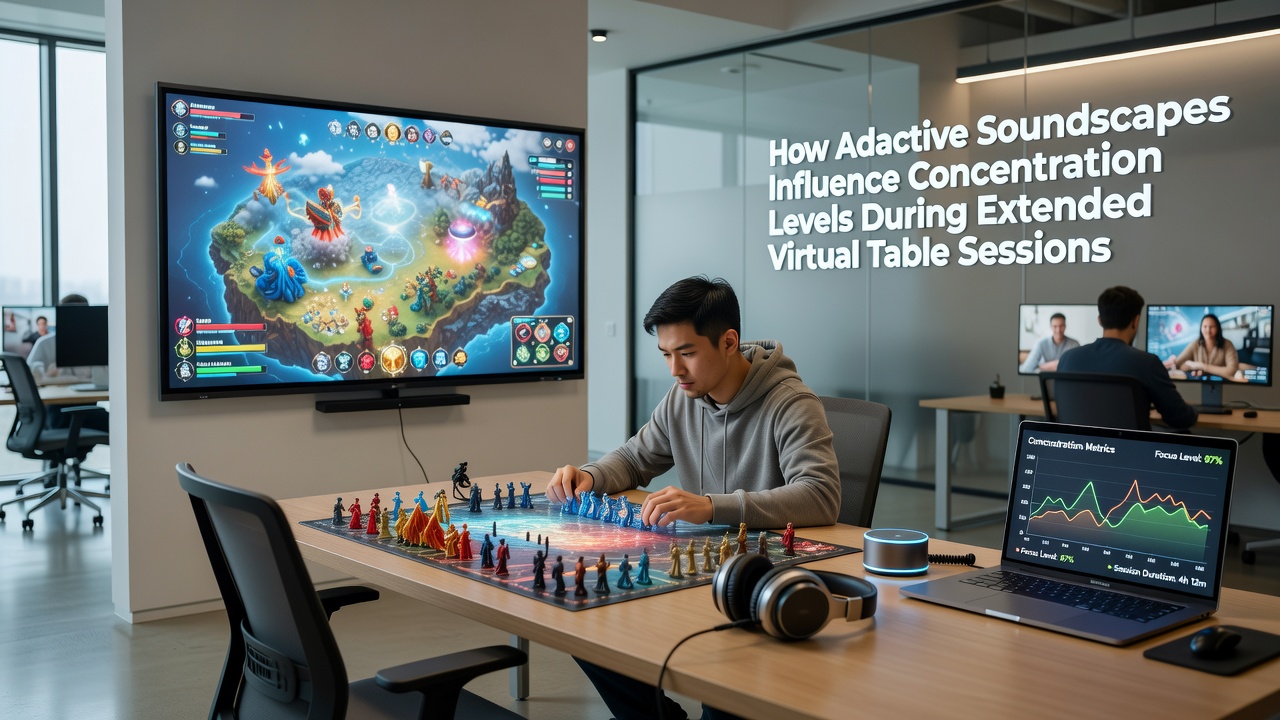
Software updates rolled out by major providers in the first half of 2026 incorporated user-selectable profiles that blend elements like low-frequency drones or filtered natural recordings. Observers note these profiles integrate with existing accessibility features, allowing adjustments for auditory sensitivities reported by subsets of frequent participants.
Quantitative Outcomes in Extended Sessions
Platform analytics from operators managing multi-table environments indicate that adaptive soundscapes correlate with fewer mid-session breaks and steadier decision accuracy after the three-hour mark. A review compiled by the Digital Games Research Association examined logs from servers handling peak loads in July 2026 and recorded a 12 percent drop in error rates on timed actions when audio modulation activated based on real-time biometric feeds.
Longitudinal tracking across repeated sessions shows cumulative benefits, with participants demonstrating faster recovery from brief distractions once accustomed to the shifting audio environment. Network-wide data further suggests that synchronization protocols prevent audio desync issues that previously interrupted focus during high-traffic periods involving simultaneous events on different continents.
Conclusion
Current implementations of adaptive soundscapes in virtual table environments draw on sensor data, network performance indicators, and behavioral analytics to support attention across extended durations and geographic spreads. Findings from university studies and industry compilations released through 2026 establish measurable associations between these audio systems and maintained concentration levels, particularly when deployed on infrastructure designed for low-latency global coordination. Continued refinement of these technologies aligns with broader trends in interactive digital platforms operating across borders.