Global Transaction Networks Reshaping Entry Patterns for International Digital Poker Events
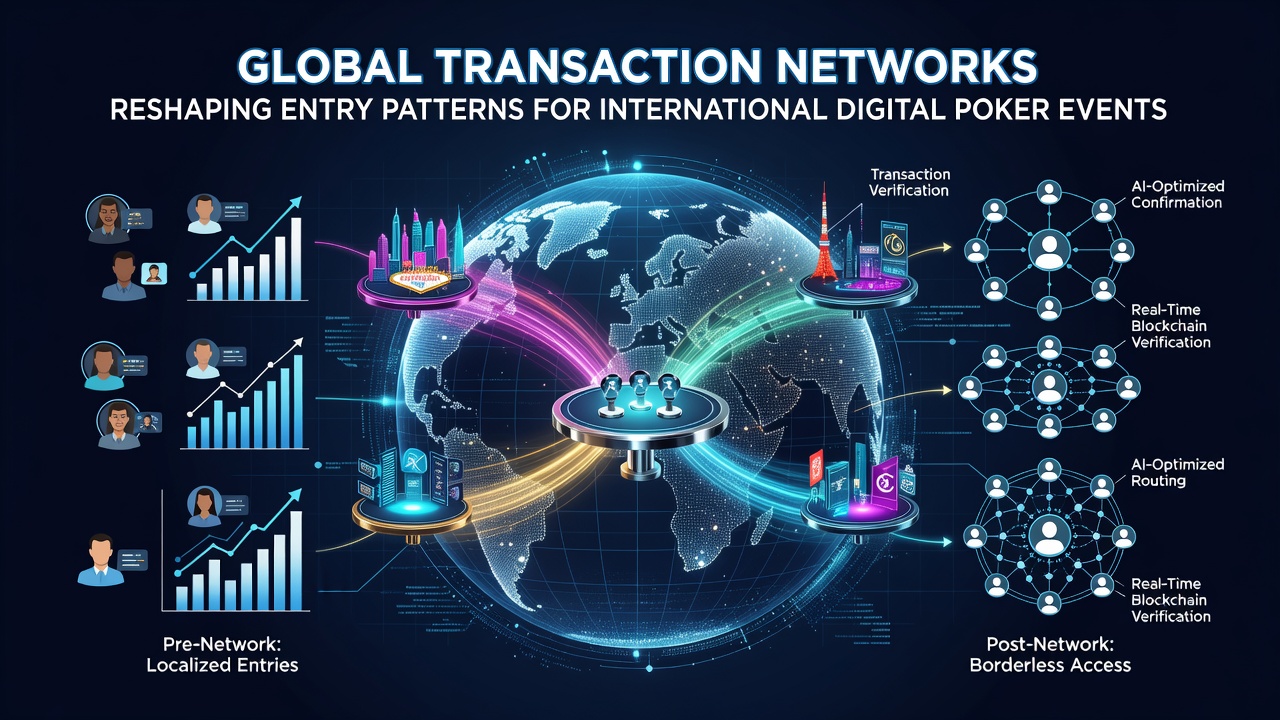
Global transaction networks now influence how participants join international digital poker events, with payment rails connecting players from multiple jurisdictions to tournament platforms in real time. These systems handle cross-border transfers that determine entry timing, fee structures, and access windows for events hosted on servers located in different regulatory zones.
Network Infrastructure and Entry Mechanics
Digital poker operators integrate settlement layers from established card networks alongside newer blockchain-based rails, which allow instant verification of funds before tournament registration closes. As of July 2026, transaction volumes through these combined channels show increased participation from regions where local banking restrictions previously limited direct deposits. Data from the European Commission indicates that standardized payment authentication protocols have reduced entry failures by streamlining verification steps across member states.
Observers note that multi-currency settlement engines now convert and route entry fees within seconds, enabling players to register during late-night windows that align with events starting in distant time zones. This synchronization reduces the lag between fund approval and seat confirmation, which previously required separate manual checks for international transfers.
Regional Access Patterns Shift
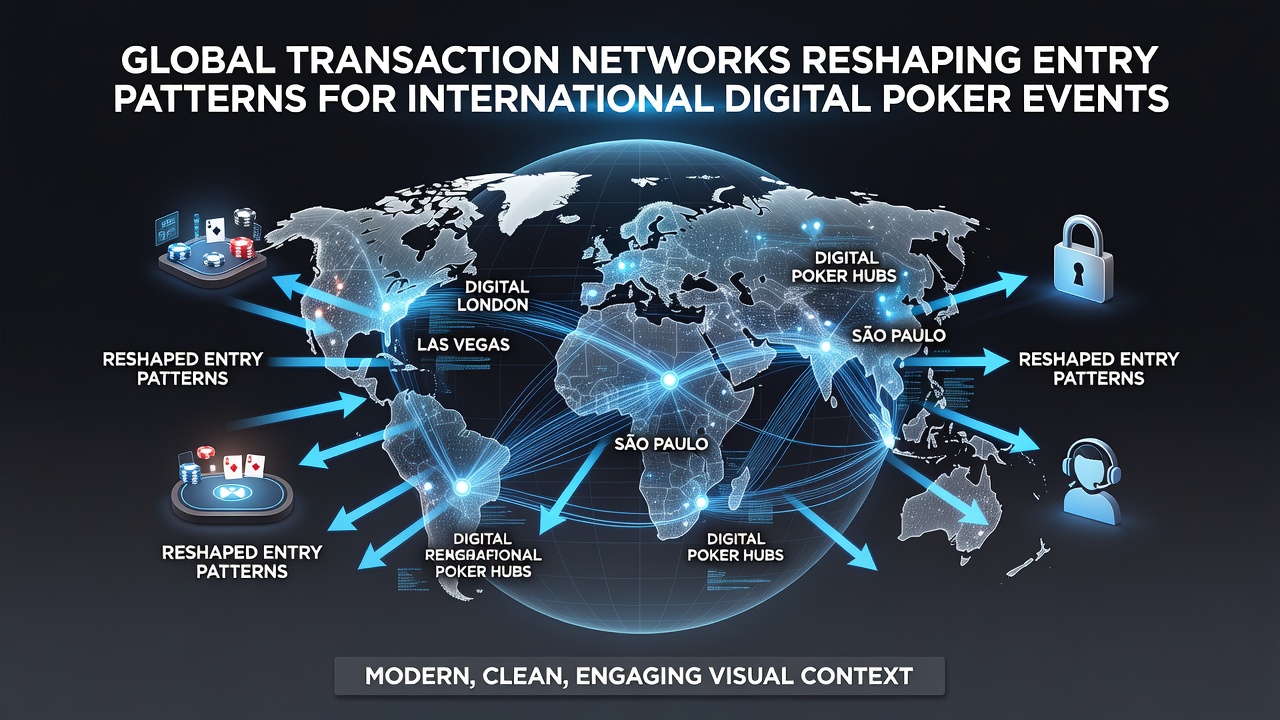
Entry patterns vary by region because transaction networks interact differently with local compliance requirements. In Asia-Pacific markets, operators report higher volumes routed through regional fintech gateways that comply with varying capital control rules. Australian regulators have documented shifts in player registration times following updates to digital payment guidelines issued by the Australian Competition and Consumer Commission.
North American participants often use networks that route through licensed money transmitters, which alters the sequence of steps needed to complete registration for offshore-hosted tournaments. Figures from the Financial Transactions and Reports Analysis Centre of Canada reveal that verified cross-border poker entries increased after these transmitters expanded support for specific gaming merchant categories in early 2026.
Regulatory Alignment and Timing Effects
Regulatory frameworks in multiple jurisdictions now require transaction networks to embed compliance checks directly into the payment flow, which changes when players can finalize entries. These embedded checks occur before funds reach the operator, so registration windows open only after all layers confirm eligibility. Researchers at the University of Nevada, Reno have tracked how these sequential verifications affect last-minute entries during major international series.
Because networks must reconcile anti-money laundering flags across borders, some events have adjusted their registration deadlines to accommodate processing times that vary by originating country. Operators adjust schedules accordingly while maintaining the same total number of seats available.
Settlement Speed and Participation Volume
Settlement speed directly affects how many players complete entries before a tournament fills. Networks that clear funds in under thirty seconds allow more registrations during peak hours compared with systems that require batch processing overnight. Industry reports show that platforms offering multiple network options record steadier entry flows throughout the day rather than clustered activity near deadlines.
Those who have studied transaction logs note that fallback routing between primary and secondary networks prevents drop-offs when one channel experiences temporary congestion. This redundancy maintains consistent entry completion rates even during high-volume periods for marquee events.
Future Integration Trends
Transaction networks continue to expand support for additional digital asset types that operators can accept for entry fees. Integration testing between existing card rails and emerging stablecoin protocols appears in several operator roadmaps scheduled for late 2026. These developments could further compress the time between payment initiation and confirmed tournament access.
Conclusion
Global transaction networks continue to modify entry patterns for international digital poker events through faster settlement, embedded compliance, and expanded routing options. Data from regulatory bodies and academic tracking studies document measurable changes in registration timing and regional participation volumes. As networks evolve their technical and regulatory interfaces, operators adjust event logistics while players experience altered sequences for joining tournaments across borders.