Exploring Interconnected Reward Systems Linking Various Forms of Digital Entertainment Activities
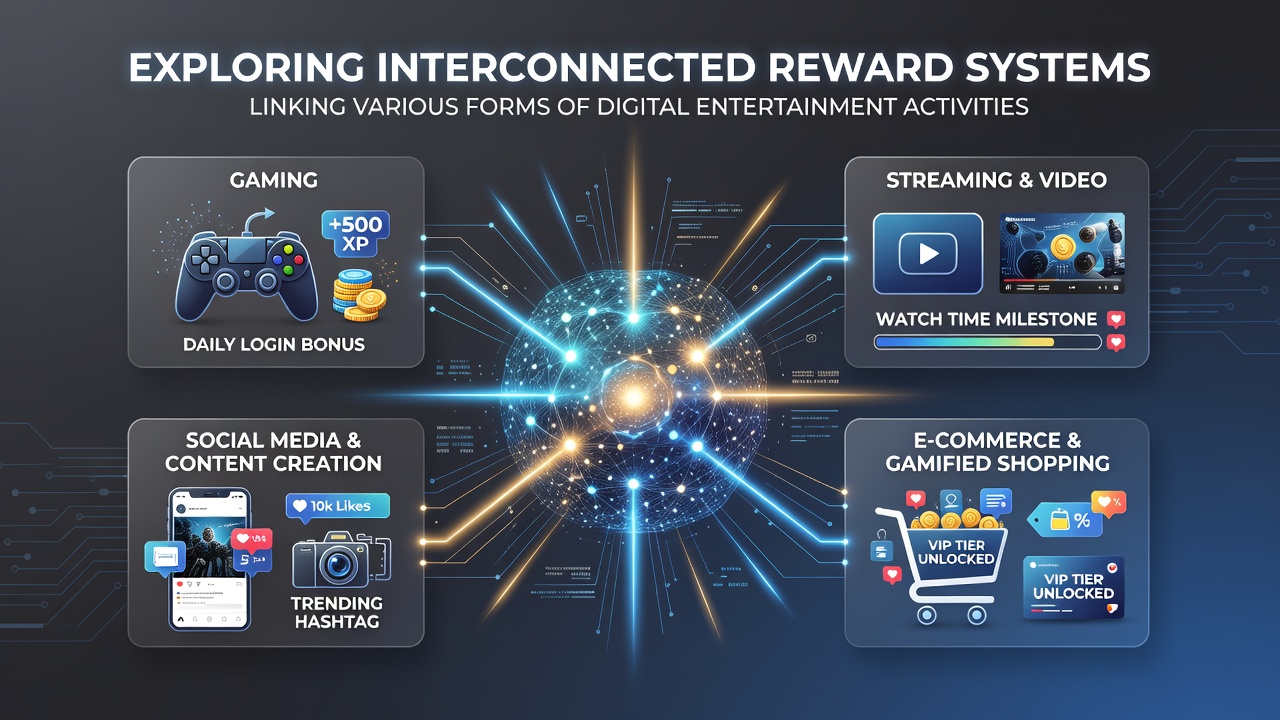
Digital entertainment platforms have developed reward mechanisms that often connect across multiple formats including video games, streaming services, and mobile applications. These systems track user participation through points, badges, and virtual currencies that sometimes transfer between different services, creating networks where activity in one area influences benefits in another. Data collected by industry analysts shows that such linkages have expanded steadily since the early 2020s as companies seek to retain attention across fragmented device ecosystems.
Core Components of Digital Reward Mechanisms
Video game publishers frequently issue achievement systems that record milestones such as completing levels or participating in events, while streaming platforms award badges for consistent viewing habits or chat interactions. Mobile apps focused on short-form video or music playback maintain separate loyalty tiers that grant access to exclusive content after certain thresholds are met. Researchers tracking these patterns note that integration occurs when platforms adopt shared application programming interfaces, allowing progress from one service to unlock features elsewhere without requiring separate accounts for each.
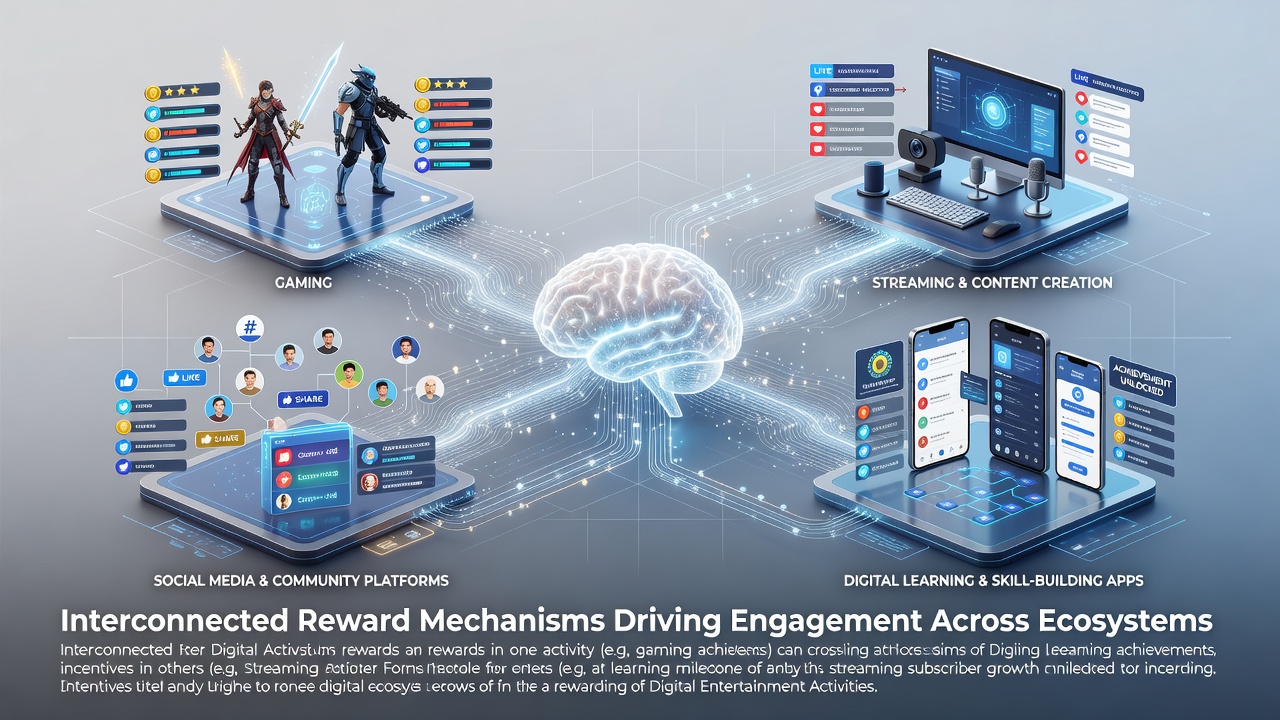
Studies released by academic groups indicate that users accumulate rewards faster when platforms synchronize their databases, leading to measurable increases in session duration across connected services. For instance, a player earning in-game currency through a console title might redeem portions of it for virtual goods in an associated streaming companion app. This synchronization relies on secure data exchanges that comply with privacy regulations enforced by bodies such as the Australian Communications and Media Authority.
Cross-Platform Data Flows and Technical Integration
Technical frameworks supporting these connections involve standardized token systems that represent value across disparate environments. Companies deploy cloud-based ledgers to log transactions in real time, ensuring that a reward earned during a live event broadcast appears immediately in a linked gaming profile. Observers note that such flows became more sophisticated following updates to data portability standards in multiple jurisdictions during 2025.
According to reports compiled by the Entertainment Software Association, approximately 68 percent of major game developers had implemented at least one cross-service reward partnership by the first quarter of 2026. These partnerships often extend to non-gaming sectors where music streaming services accept tokens from game ecosystems in exchange for playlist unlocks or artist merchandise credits. The process requires careful calibration of exchange rates to maintain perceived fairness among participants.
Regional Developments Observed in Mid-2026
In June 2026 several North American operators announced expansions of their unified reward dashboards that now incorporate fitness tracking applications alongside traditional entertainment offerings. Participants who meet daily activity goals in health apps receive bonus multipliers applicable to game progression or video content libraries. European regulators have examined these expansions under existing consumer protection frameworks, focusing on transparency in how points convert across borders.
Industry data from Canadian research institutions reveals that users engaged with at least three interconnected services spent 22 percent more time within the overall network compared to those limited to single-platform experiences. These findings emerged from anonymized usage logs analyzed over twelve-month periods ending in spring 2026, highlighting consistent patterns rather than isolated spikes.
Security and Compliance Considerations
Platforms managing interconnected rewards must address risks associated with account linking and potential exploitation of exchange mechanisms. Security protocols include multi-factor verification steps during token transfers plus regular audits of ledger integrity. Government agencies in Asia-Pacific regions have issued guidelines requiring clear disclosure of how user data supports these reward calculations.
One documented approach involves tiered access levels where higher-status participants gain priority processing for reward redemptions across services. This structure appears in documentation from multiple providers and correlates with reduced complaint volumes according to aggregated customer service metrics shared among trade associations.
Conclusion
Interconnected reward systems continue to evolve through technical refinements and regulatory adaptations that shape how digital entertainment activities interconnect. Evidence from industry reports and academic analyses demonstrates measurable effects on participation metrics when platforms enable seamless value transfers. Future developments will likely depend on further standardization of data protocols alongside ongoing oversight from regional authorities monitoring consumer interactions with these networks.