Decoding RNG Certification Layers That Shape Fair Outcomes in Progressive Jackpot Ecosystems
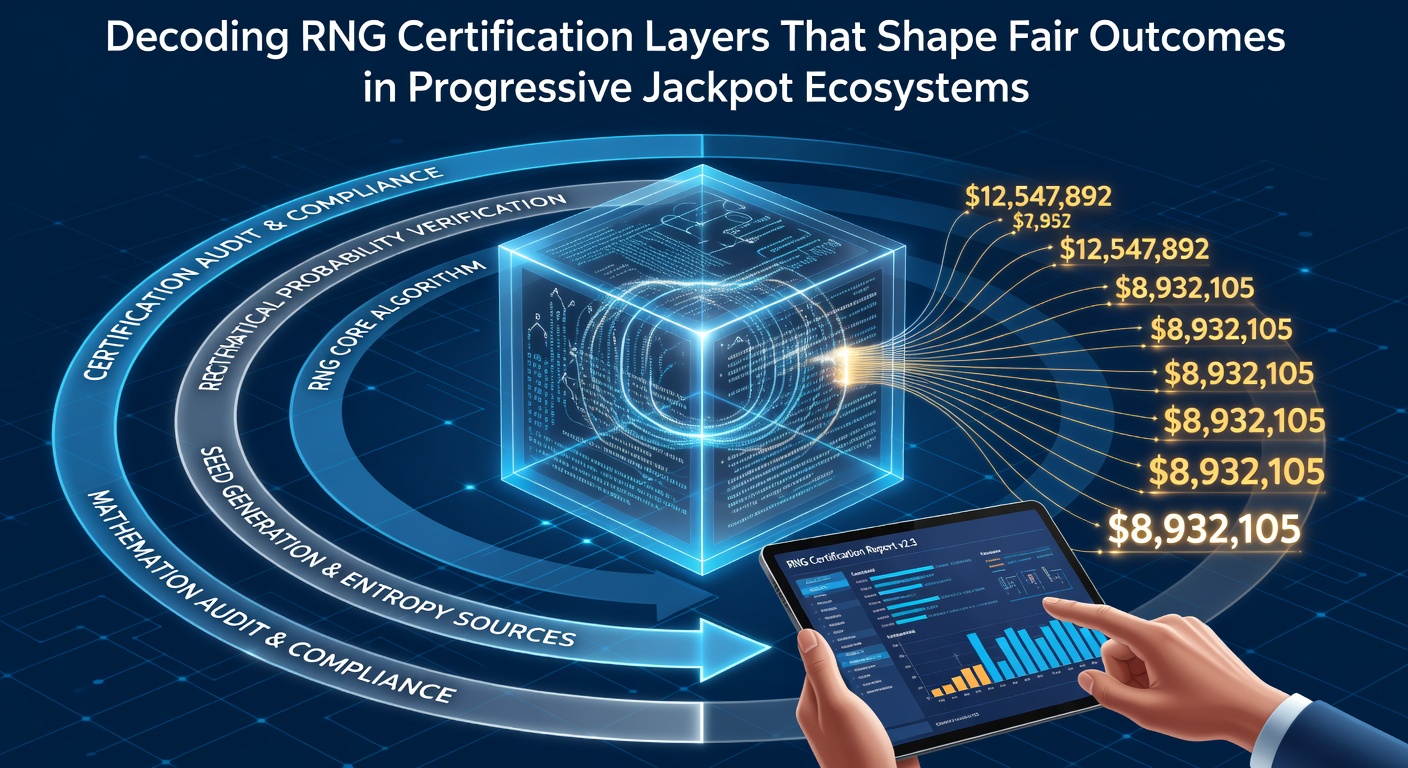
Progressive jackpot ecosystems rely on layered RNG certification to maintain consistent randomness across growing prize pools, and observers note how these processes connect statistical validation with software integrity checks while also addressing contribution mechanics that feed into the shared jackpots. Experts have observed that each layer builds upon the previous one, creating a framework where basic number generation meets regulatory audits before the system handles live progressive increments.
Core RNG Testing Foundations
Certification begins with statistical evaluation of the random number generator itself, where labs apply suites of tests including diehard and NIST standards to verify that sequences show no detectable patterns or biases, and data shows these evaluations cover millions of output cycles to confirm uniformity across the full range of possible results. Researchers discovered that failures at this stage often trace back to poor seeding methods or hardware limitations, so certification requires retesting after any code changes that might affect the generator's behavior.
What's interesting is how the process extends beyond raw output quality into implementation security, because even strong algorithms can produce predictable results if the surrounding code allows external interference or predictable restarts. Observers note that certified systems incorporate hardware security modules or isolated execution environments to protect teh RNG state during jackpot contributions and prize determinations.
Progressive-Specific Validation Layers
Progressive jackpots introduce additional certification requirements because the prize pool grows through percentage contributions from each wager, and those who have studied these systems know that auditors must verify contribution accuracy alongside the random trigger that awards the jackpot. One study revealed that discrepancies in contribution tracking can lead to inflated or understated pools, prompting certification bodies to demand real-time reconciliation logs that regulators can review during audits.
Turns out the trigger mechanism itself receives separate scrutiny, since progressive wins depend on hitting specific rare combinations or thresholds that must remain unpredictable yet mathematically fair. Certification at this layer includes simulation runs that model millions of plays to confirm the advertised return-to-player percentages hold steady even as the jackpot climbs and player behavior shifts in response.
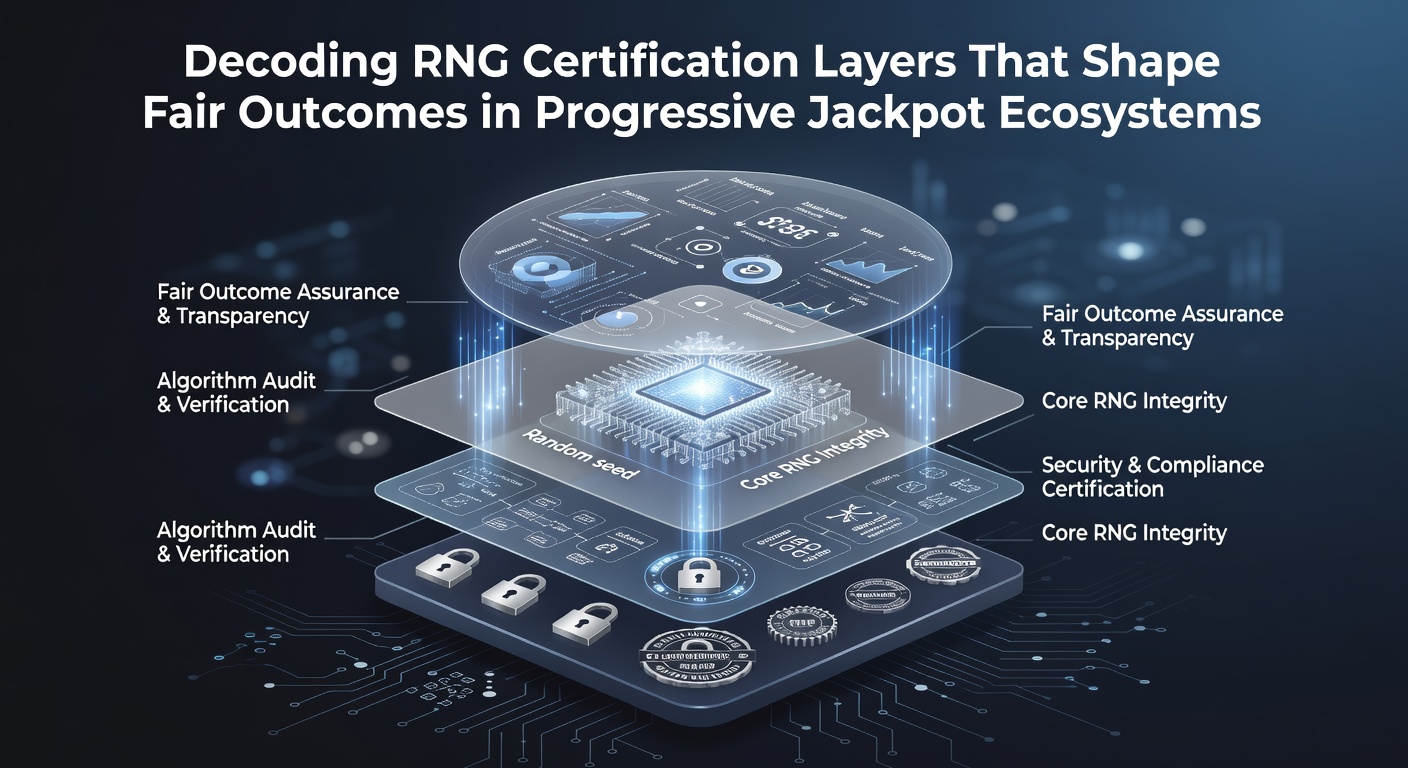
Regulatory Oversight Across Jurisdictions
Different regions maintain distinct certification pathways that operators must navigate when deploying progressive titles across borders. According to records from the Nevada Gaming Control Board, systems undergo initial lab approval followed by field testing before any live deployment, while Australian state regulators impose ongoing monitoring requirements that include quarterly statistical resampling of live RNG output. In May 2026 several North American jurisdictions aligned their progressive pool reporting standards, which simplified multi-state deployments without reducing the depth of RNG checks applied to each title.
Industry organizations such as the International Association of Gaming Regulators have documented how cross-border recognition agreements allow labs accredited in one region to provide data accepted elsewhere, and figures reveal this approach has shortened approval timelines for operators while preserving the requirement for independent verification at each certification layer.
Emerging Challenges and Technical Responses
Cloud-based gaming platforms present fresh certification questions because RNG execution may occur across distributed servers rather than a single controlled environment. Those who've examined these deployments report that certification now often requires proof of consistent state synchronization and tamper-evident logging that spans multiple data centers. Experts have observed that without such measures the integrity of progressive contributions could be questioned during high-volume periods.
But here's the thing: certification labs continue to adapt their protocols by incorporating machine-learning anomaly detection alongside traditional statistical batteries, and research indicates this hybrid approach catches subtle deviations that older test suites might miss. One case where experts found irregularities involved a misconfigured virtual machine that altered RNG periodicity under heavy load, leading to updated testing requirements for all cloud-hosted progressive systems.
Conclusion
Progressive jackpot fairness rests on the cumulative strength of these layered certifications, where each stage addresses distinct risks from raw randomness through pool management and regulatory reporting. Data from multiple testing laboratories shows that titles passing full multi-layer review maintain outcome distributions consistent with published probabilities over extended operational periods. Observers note that as ecosystems grow more interconnected, continued refinement of these certification processes remains essential to sustaining player confidence across jurisdictions.